
We include products we think are useful. If you buy through the links on this page, we may receive a commission.
- Is there a generic version of Forxiga available in the UK? - March 21, 2026
- Fucidin cream: what is it used for in Spain - March 20, 2026
- How much does Monurol cost in Spanish pharmacies? - March 10, 2026
When psoriasis flares up, it's helpful to know what you can buy at the pharmacy for daily care and to manage an outbreak. In practice, mild psoriasis is usually controlled with topical treatment. When it is moderate or severe, phototherapy or systemic treatment may be necessary, sometimes with conventional or biologic medications, always determined by a specialist.
What over-the-counter psoriasis treatments are suitable for everyday use?
Emollients (thick moisturizers, balms or ointments) are the foundation of daily care because they reduce dryness, itching and flaking, and help the skin better tolerate other treatments.
They are sold without a prescription at the pharmacy and can be used daily for maintenance, especially between flare-ups or when psoriasis is very mild.
When there is a lot of flaking, some people use products that help soften it (for example, flaking preparations) before applying the usual treatment, especially on the scalp.
If you are worried about a painful lump under the skin, it is worth having it checked separately because it is not always related to psoriasis. Sometimes it can be cystic acne cystic acne or another issue such as a deep pimple or an abscess, especially if it is getting bigger, feels hot, or starts to drain.
What prescription creams are used for outbreaks: corticosteroids and vitamin D derivatives?
For a psoriasis flare-up, doctors will most likely prescribe a topical corticosteroid, as it reduces inflammation and itching and helps to clear plaque. Strength and duration of use are important: a corticosteroid that is too strong or used for longer than recommended can cause unwanted skin effects, so it's not a product to experiment with on your own.
Another common option is vitamin D analogues, such as calcipotriol, which help normalise the pace of skin cell growth and can be used on their own or combined with a topical corticosteroid, depending on the area and the type of plaque.
In Spain, vitamin D analogues and most corticosteroids used to treat psoriasis flare-ups are dispensed by prescription at pharmacies, and the plan is usually adjusted by location (face, folds, scalp) and by each person's response.
When are oral or biological treatments considered?
Systemic treatments are considered when psoriasis is not well controlled with topical treatment, when it affects large or sensitive areas, or when it significantly impacts quality of life. At this stage, systemic treatments (oral or injectable) are introduced, which require monitoring and follow-up for potential adverse effects.
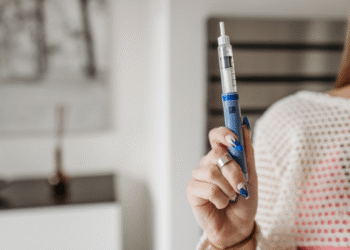
Many biologic treatments for psoriasis are started under hospital supervision and are often dispensed through the hospital. Coverage by the National Health System depends on the authorized indication and specific conditions related to the medication and the patient, so it's advisable to confirm this in your case with your dermatologist or at the hospital pharmacy.
Always consult the official leaflet and follow your doctor's or pharmacist's instructions for exact dosage and use; this text is for informational purposes only and does not replace a clinical assessment.