
We include products we think are useful. If you buy through the links on this page, we may receive a commission.
- Why do gums bleed? - March 28, 2026
- Rybelsus in Spain: what it's used for and whether a prescription is needed - March 25, 2026
- How much does Hidroferol cost in Spain? - March 24, 2026
Bleeding gums are not a normal finding if they occur repeatedly. They are usually related to gingivitis caused by plaque buildup, although they can also be caused by aggressive brushing, hormonal changes, certain medications, or local problems in the mouth.
What usually causes bleeding gums?
The most common cause is gingivitis, an inflammation of the gums that often starts when plaque builds up around the tooth. Repeated bleeding while brushing or flossing fits that pattern closely.
Not all bleeding is equally serious. Sometimes it can be caused by overly aggressive brushing, using a hard-bristled toothbrush, poorly fitting braces, or interdental cleaning that irritates already sensitive gums.
It's also worth remembering that pregnancy and some medications can cause gum bleeding. Smoking increases the risk of periodontal disease, but it can mask the bleeding, because smokers' gums often bleed less. When the problem persists, the dentist should assess whether it's still reversible gingivitis or if there are signs of periodontitis.
What signs point to gingivitis?
In addition to bleeding, the gums may appear redder, shinier, or swollen. Persistent bad breath, tenderness to the touch, and discomfort when eating hard foods are also consistent with early-stage gum inflammation.
The good news is that early gingivitis usually improves with better hygiene and professional cleanings when needed. The important thing is not to normalize repeated bleeding as a minor consequence of brushing.
When is the best time to make an appointment?
If bleeding occurs for several days in a row, recurs frequently, or is accompanied by pain, pus, tooth mobility, or gum recession, it's no longer advisable to ignore it. At that point, a professional evaluation is necessary to confirm the cause.
It's also worth checking if you have braces, dentures, or crowns and notice that the bleeding is always concentrated in the same area. Sometimes the problem isn't just in the gum itself, but in how plaque accumulates around that spot.
What habits help care for your gums?
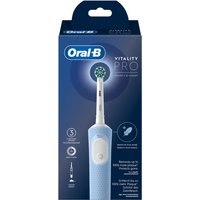
Gentle, consistent brushing, interdental cleaning, and regular checkups remain the foundation. Switching to a system that facilitates a more regular routine can help, but it's not a substitute for an evaluation if your gums bleed repeatedly.
If you want to distinguish this pattern from other mouth changes, it helps to review the symptoms of gingivitis. When they appear together with visible swelling, bad breath and tenderness, a dental check becomes more sensible.
Gum care
What you might like
- It might work if you want to ditch the manual brush.
- It helps to maintain a more consistent routine.
- Simple format for everyday use.
What should be valued
- If the bleeding recurs or is painful, it does not replace a dental check-up.
This text is for informational purposes only and does not replace medical advice. Always consult official sources and follow the instructions of your dentist, doctor, or pharmacist.