
We include products we think are useful. If you buy through the links on this page, we may receive a commission.

- What is the equivalent of Celexa in Spain? - March 19, 2026
- Sertraline in Spain: what it is prescribed for and how to obtain it - March 14, 2026
- How much work-related stress is there in Spain? - March 14, 2026
If your back pain seems mechanical (without an accident or serious fall) and there are no other warning signs, the first step is usually to stay active within your limits and monitor your progress. If you need medical attention or your pain doesn't improve, you can then choose between the public and private healthcare systems depending on accessibility and time constraints.
In the public health system, the usual procedure is to start by making an appointment at your health center so that the family doctor can assess the situation and, if necessary, refer you to rehabilitation or physiotherapy.
Private clinics usually allow you to book an appointment directly (paying out of pocket or with insurance). If you can wait, public clinics may be a suitable option. When pain limits your ability to work, sleep, or play sports, private clinics often allow you to book an appointment directly, which can help you start sooner, although availability and hours vary by clinic.
When is back pain not urgent and you can opt for public physiotherapy?
If there are no warning signs and you can walk and do basic tasks even if it bothers you, a scheduled appointment may be enough instead of going to the emergency room.
Even so, it is advisable to seek urgent evaluation if you notice progressive loss of strength, numbness in the genital area or in a "saddle" position, loss of control of urine or feces, fever with back pain, pain after a significant blow, or if you have a history of cancer and a new pain that does not resemble other episodes.
If there are no alarm bells ringing, the most common approach is to schedule an appointment with your family doctor to assess the cause and advise you on access to rehabilitation or physiotherapy. In the public healthcare system, the goal is usually to restore function and reduce relapses through education, movement, and therapeutic exercise, although the duration and number of sessions may vary.
Heat relief
Daga Comfort Electric Heating Pad
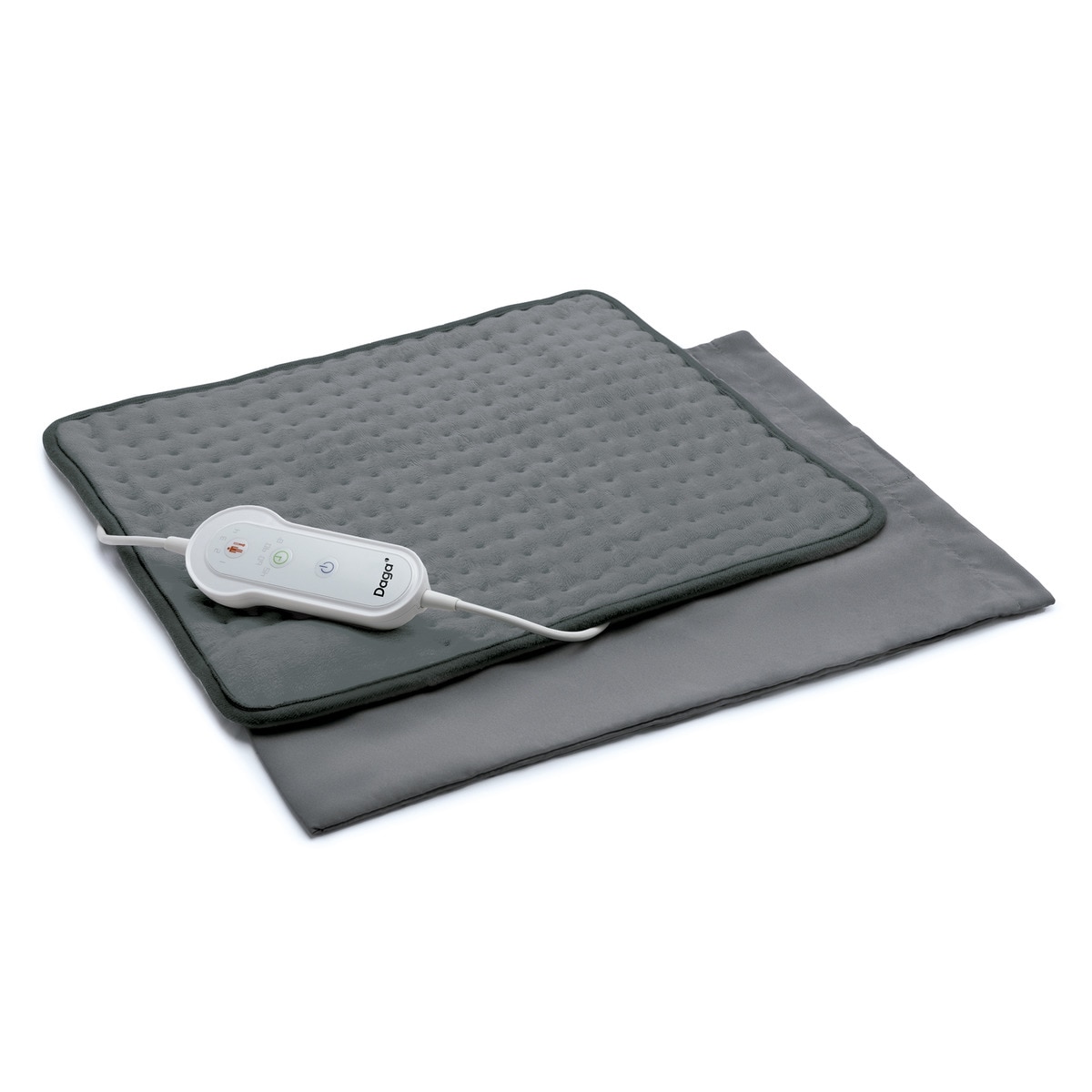
45,00 € 39,00 €
Why it might fit
- Applying localized heat can help with some discomforts.
- It allows you to choose between four temperature levels.
- It is a versatile format for different areas.
What should be valued
- It is not suitable for all types of pain.
Private physiotherapy: when is it worthwhile and what indicative cost can you expect?
Private appointments might be of interest if you need specific scheduling or want to start as soon as possible with a customized plan. As a guide, prices vary considerably depending on the city, session duration, and type of clinic, and there is no official price list. Some clinics offer packages that reduce the price per session, and home visits may incur an additional travel fee.
At your first appointment, they'll typically ask how the pain started, what makes it worse or better, and what your daily routine is like. They'll also assess your mobility and strength to give you a clear plan. Manual therapy can provide relief in some cases, but it usually works best when combined with exercise and healthy habits to help you move safely again.
For the next 48 to 72 hours, try to maintain light activity spread throughout the day and avoid prolonged bed rest. If it helps, try applying local heat and doing gentle movements that don't trigger pain, such as pelvic tilts while lying down or cat-cow stretches, as well as short walks if you can tolerate them.
If you are going to use medication, follow your doctor’s or pharmacist’s instructions and read the patient leaflet before taking painkillers. This text is for information only and does not replace a professional assessment. Speak to a licensed physiotherapist or your doctor if the pain does not improve or if new symptoms appear.