
We include products we think are useful. If you buy through the links on this page, we may receive a commission.
- Is there a generic version of Forxiga available in the UK? - March 21, 2026
- Fucidin cream: what is it used for in Spain - March 20, 2026
- How much does Monurol cost in Spanish pharmacies? - March 10, 2026
Pain is a part of life. It can occur after a fall, during menstruation, or even after a visit to the dentist. Among fast-acting painkillers is Enandol, a drug available in pharmacies whose active ingredient is dexketoprofen trometamol.
This drug belongs to the family of nonsteroidal anti-inflammatory drugs (NSAIDs) and is indicated for the short-term treatment of mild to moderate acute pain in adults. Enandol is characterized by rapid absorption, which promotes a quick onset of action and makes it an attractive option when rapid pain relief is needed.
Its main function is to block the action of enzymes called cyclooxygenases, which are responsible for producing prostaglandins. These substances are what cause inflammation, pain, and fever. By reducing their presence, the medication quickly relieves symptoms.
Are you interested in how dexketoprofen differs from ibuprofen? Check out our comparison between dexketoprofen and ibuprofen.
How do you take Enandol and what is the usual dosage?
Enandol is recommended for treating episodes of pain that do not require prolonged treatment. It is especially indicated for muscle or joint pain, dysmenorrhea (menstrual pain), toothache, or discomfort following minor injuries.
It should only be taken for short periods, up to four days, and if you have any doubts or experience persistent pain, it is important to seek medical advice. The usual adult dose is 12.5 mg every 4 to 6 hours or 25 mg every 8 hours, not exceeding 75 mg per day.
Heat relief
Daga Comfort Electric Heating Pad
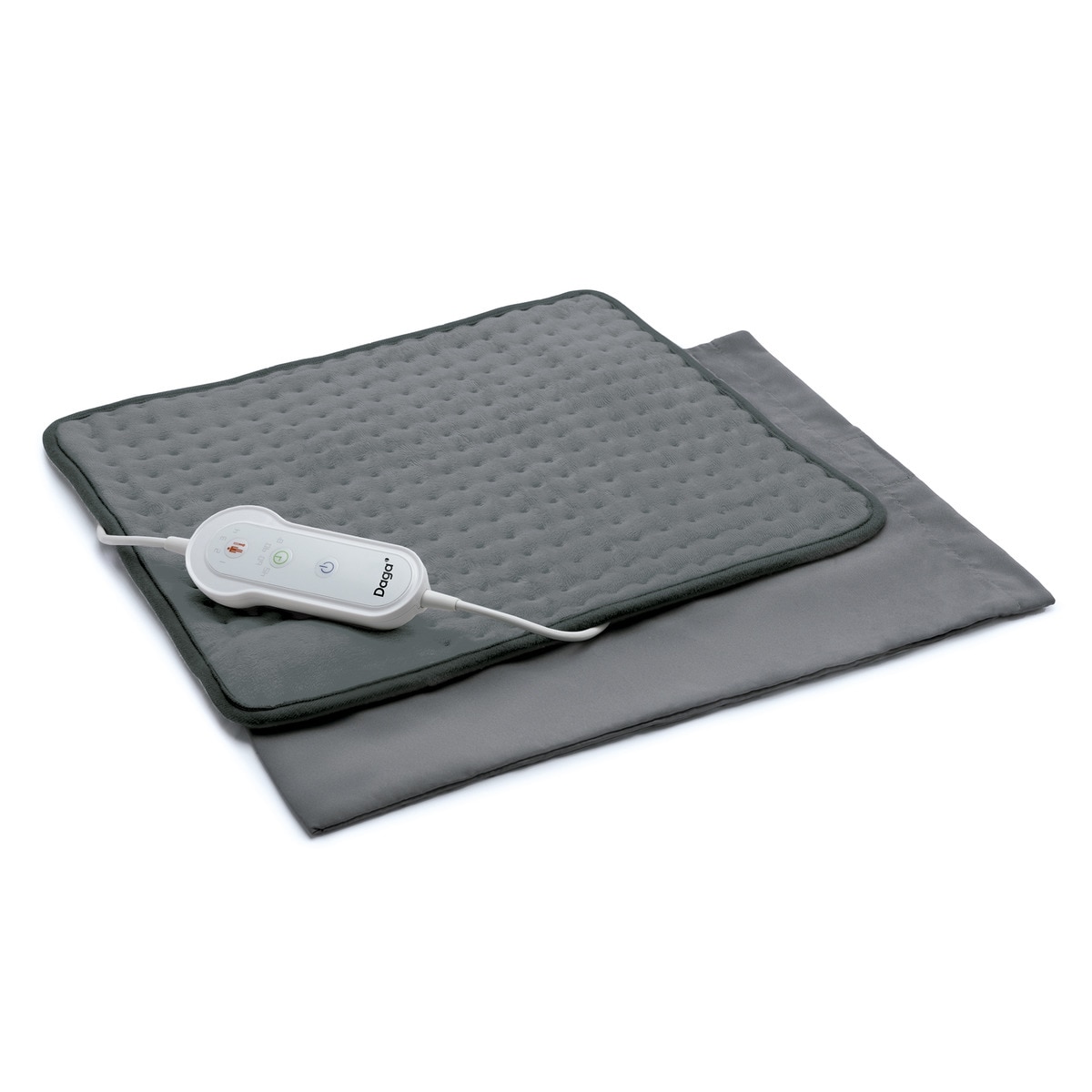
45,00 € 39,00 €
Why it might fit
- Applying localized heat can help with some discomforts.
- It allows you to choose between four temperature levels.
- It is a versatile format for different areas.
What should be valued
- It is not suitable for all types of pain.
For people over 65 years of age, or with reduced liver or kidney function, it is advisable to start with a maximum daily dose of 50 mg. Enandol is available in tablets and sachets (oral solution or granules to be dissolved in water).
Although it can be taken with or without food, doing so on an empty stomach accelerates absorption. However, if you have digestive discomfort, it is recommended to accompany it with food.
Contraindications: Who should not take it?
Not everyone can take Enandol. It is contraindicated in people allergic to dexketoprofen or other anti-inflammatory drugs, as well as in those who have suffered from gastric ulcers, gastrointestinal bleeding, inflammatory bowel disease, or severe heart, liver, or kidney failure.
It should not be taken during the third trimester of pregnancy or while breastfeeding. During the first six months of pregnancy, it should only be used if a doctor considers it strictly necessary. Its use in children under 18 years of age is not approved.
Always consult the official leaflet for complete and up-to-date information on the medication.
Possible side effects of Enandol
Like all medications, Enandol can cause side effects. The most common include nausea, abdominal pain, diarrhea, or indigestion. Drowsiness or dizziness may also occur. In rare cases, severe allergic reactions, stomach ulcers, or bleeding may occur.
Therefore, it is recommended to limit its use to a few days and avoid combining it with other NSAIDs, anticoagulants, or medications that increase the risk of gastrointestinal damage.
Final tips for safe use
Enandol is a useful and effective tool when used correctly. Its rapid action makes it an attractive option for specific pain situations. But as with any drug, it is not without risks.
Taking this medication only when needed and respecting the recommended dosage is key to minimizing risks. It is not a chronic treatment and should not be used regularly to relieve discomfort.
If you have any doubts, it is essential to consult a healthcare professional, as self-medication with NSAIDs can mask symptoms of more serious illnesses.