
We include products we think are useful. If you buy through the links on this page, we may receive a commission.

- What is the equivalent of Celexa in Spain? - March 19, 2026
- Sertraline in Spain: what it is prescribed for and how to obtain it - March 14, 2026
- How much work-related stress is there in Spain? - March 14, 2026
Flogoprofen is a topical anti-inflammatory medication used to relieve muscle and joint pain and minor injuries such as bruises, sprains, or muscle strains.
Its active ingredient, etofenamate, acts directly on the affected area, blocking inflammation and reducing pain locally, without needing to pass through the digestive system. This medication is especially useful when discomfort is occasional and localized, and an effective option is sought without resorting to tablets or systemic treatments.
How to apply Flogoprofen correctly?
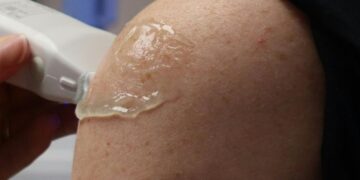
It is recommended for use by adults and adolescents over twelve years of age. It is available in gel form and also as a cutaneous spray solution. Apply it to intact, clean, and dry skin, if possible.
The usual dose of Flogoprofen gel consists of applying a thin layer of gel to the affected area three or four times a day. It should be massaged gently until the gel is completely absorbed, avoiding occlusive dressings and contact with mucous membranes or irritated areas.
Do not use for more than seven consecutive days. If symptoms persist or worsen, consult a doctor or pharmacist.
How does Flogoprofen work?
Etofenamate belongs to the group of nonsteroidal anti-inflammatory drugs (NSAIDs). Its mechanism of action involves inhibiting the production of prostaglandins, substances that the body generates during inflammatory processes.
Heat relief
Daga Comfort Electric Heating Pad
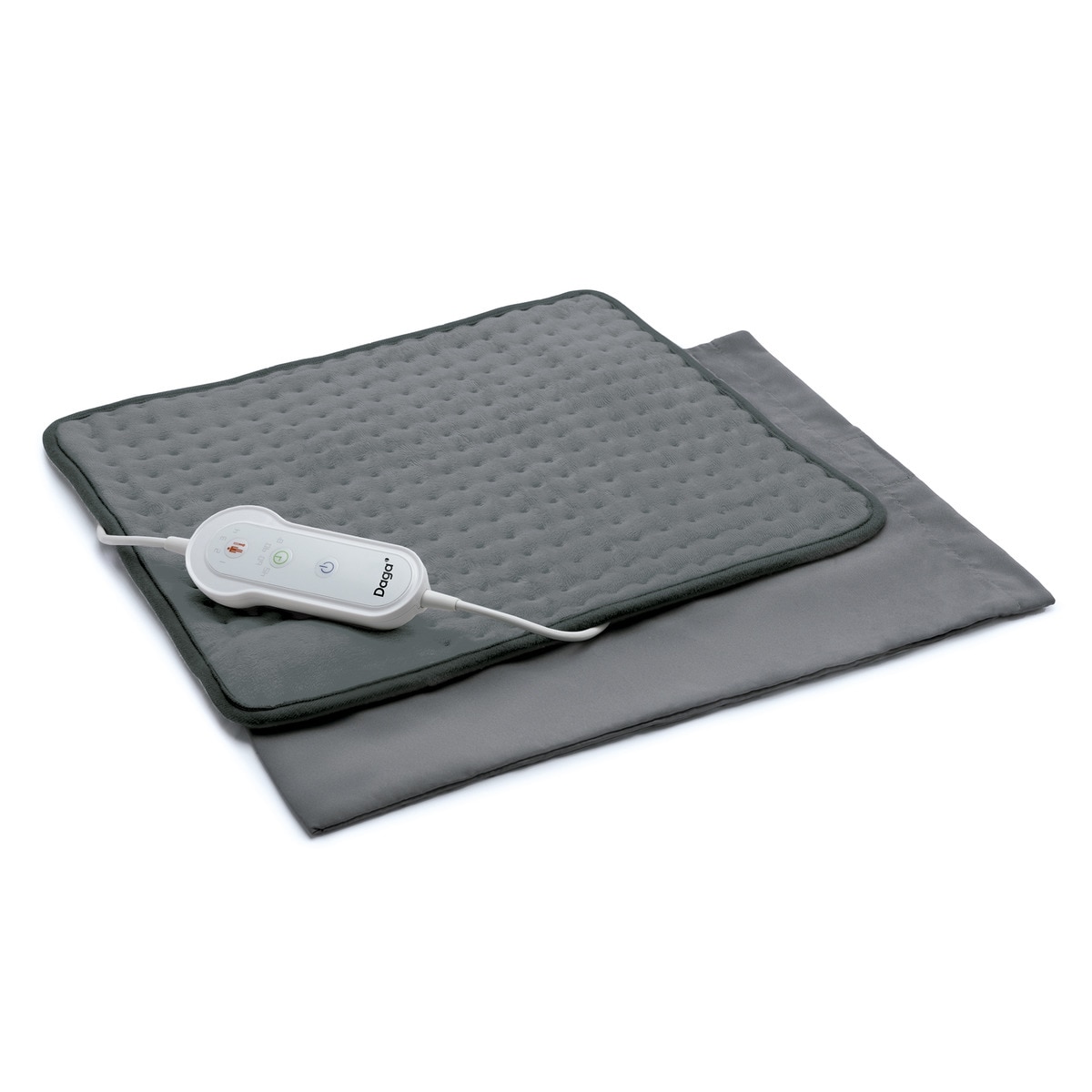
45,00 € 39,00 €
Why it might fit
- Applying localized heat can help with some discomforts.
- It allows you to choose between four temperature levels.
- It is a versatile format for different areas.
What should be valued
- It is not suitable for all types of pain.
By reducing these substances, a clear decrease in pain, swelling, and tenderness is achieved. Unlike other oral anti-inflammatories, its localized action minimizes systemic side effects and allows for rapid relief with effective skin absorption.
What precautions should be taken?
However, there are several warnings to keep in mind before using it. Flogoprofen should not be applied to open wounds, burns, eczema, or areas with broken skin. It should also not be combined with other topical products on the same area or used with bandages that prevent perspiration.
It is contraindicated in people allergic to anti-inflammatory drugs such as acetylsalicylic acid or to any of the components of the medication. The most common adverse effects include local irritation, itching, redness, or contact dermatitis.
If any of these reactions occur, treatment should be stopped immediately and a health professional should be consulted.
Pregnancy, breastfeeding and responsible use
During pregnancy, especially in the third trimester, its use is discouraged as a precaution. Although administered locally, systemic absorption can occur, so NSAIDs may increase the risk of complications, particularly towards the end of pregnancy.
In earlier stages of pregnancy, this medication should only be used if deemed necessary by a doctor. During breastfeeding, this medication should only be applied to small areas and for a short period of time.
This medication is not authorized for use in children under twelve years of age due to insufficient studies on its safety in children. In adults over 65, dose adjustment is generally not required, provided the instructions for use are followed.
Conclusion: When does it make sense to use Flogoprofen?
Flogoprofen is most often used for mild, occasional pain and inflammation in a defined area. In chronic pain, the strategy changes, and other medicines may be evaluated, such as Arcoxia.
Flogoprofen is an effective alternative for treating mild muscle or joint pain without resorting to systemic anti-inflammatories. Its localized application and direct action on the affected area can be a convenient and practical option for relieving muscle or joint discomfort on a daily basis.
Still, as with any medication, it should be used cautiously and only as directed in the official leaflet or by a healthcare professional. Following the leaflet or your doctor’s instructions helps it work properly and lowers the risk of side effects.