
We include products we think are useful. If you buy through the links on this page, we may receive a commission.
- What is diclofenac gel used for in Spain? - March 5, 2026
- How to apply for a Social Security number in Spain? - March 4, 2026
- How long does it take for Enantyum to take effect and how long does it last? - March 4, 2026
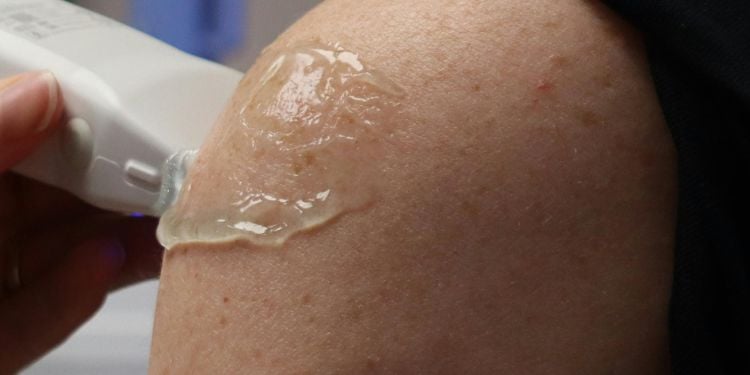
Diclofenac gel in Spain is used to provide local relief from mild and occasional pain and inflammation, especially muscle and joint discomfort. It is generally applied to the skin, and the aim is to reduce symptoms in the treated area, not to treat the entire body.
Is diclofenac gel an anti-inflammatory?
Yes. Diclofenac belongs to the class of nonsteroidal anti-inflammatory drugs, known as NSAIDs, and its use in gel form is intended for local application. Simply put, it reduces inflammation and pain associated with injuries or overuse.
This topical route differs from tablets or injections because it acts primarily where it is applied. Even so, it is still a medication and should be treated as such, especially if there is a history of NSAID allergies.
What is its use in daily practice?
It is frequently used for minor ailments such as bumps, bruises, strains, stiff neck, occasional lower back pain, and mild sprains. Official product information for some formulations describes it as providing local relief of mild and occasional pain and inflammation in adults and adolescents of a certain age.
It is also available in formats other than gel, such as emulsions or dressings, with similar indications depending on the product. Therefore, when someone searches for "diclofenac gel," they may be referring to various presentations and brands with different characteristics.
Are there different types of diclofenac gel available in Spain?
Yes, and this distinction avoids confusion. There are gels designed for local use in musculoskeletal pain, and also gels containing diclofenac intended for specific dermatological problems, such as actinic keratosis, which are not used for the same purpose.
The key is to look at the active ingredient and the product's indication, because "diclofenac gel" doesn't always mean the same thing. In Spain, the official drug information clarifies what each presentation is used for.
| Main use | Example name | Purpose |
|---|---|---|
| Local pain | Voltaren | Local relief |
| Local pain | Diclokern | Local relief |
| Solar keratosis | Solaraze | Keratosis |
Is a prescription required for diclofenac gel in Spain?
It depends on the exact product and presentation. In Spain, some topical diclofenac gels are supplied without a prescription, and the safest way to confirm for a specific pack is to check the official AEMPS CIMA leaflet or ask a pharmacist about that exact version.
This is especially useful for tourists looking for a brand name from another country. With just the brand name, it's easy to end up comparing products that look similar but don't have the same description.
How does it differ from ibuprofen or other NSAIDs?
Diclofenac and ibuprofen are both NSAIDs, but they are not automatically interchangeable. The active substance differs, the format differs, and with gels the goal is usually local relief of mild pain and inflammation.
What signs indicate that it's advisable to consult a doctor before using it?
There are situations in which it's advisable to seek professional guidance beforehand, such as a history of allergic reactions to aspirin or other NSAIDs, pregnancy at certain stages, or broken skin. Many package inserts also emphasize not applying it to wounds, burns, or mucous membranes.
If noticeable skin reactions or respiratory symptoms appear, it is prudent to discontinue use and consult a doctor. With topical medications, tolerance is generally good, but warnings exist for a reason.
This text is for informational purposes only and does not replace medical advice. Always consult the official package leaflet and follow the instructions of your doctor or pharmacist.