We include products we think are useful. If you buy through the links on this page, we may receive a commission.
- Is there a generic version of Forxiga available in the UK? - March 21, 2026
- Fucidin cream: what is it used for in Spain - March 20, 2026
- How much does Monurol cost in Spanish pharmacies? - March 10, 2026
If a dermatologist in the public healthcare system diagnoses you with cystic or severe acne and prescribes treatment, the National Health System covers the cost, including isotretinoin. At the pharmacy, you'll only pay a portion of the cost through a co-payment; the rest is covered by the National Health System, except for those in exempt groups, whose medication is fully covered.
Is isotretinoin for cystic acne covered?
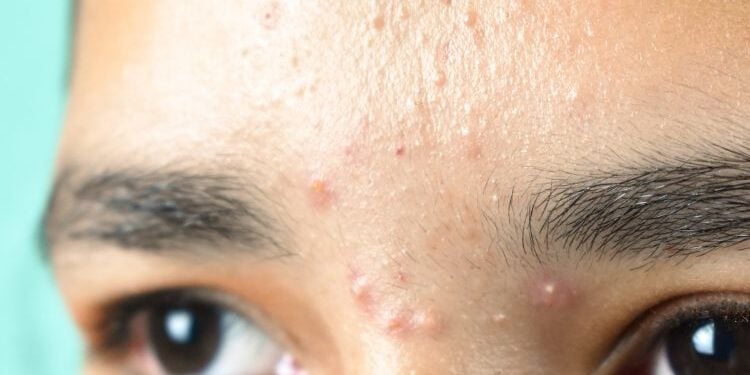
The isotretinoin is covered by the public health system for severe forms of acne, such as cystic acne, when other treatments have not worked. It is a restricted-use medicine and can only be prescribed by a doctor. It is mainly used in cases with a risk of permanent scarring, after specific creams and antibiotics have already been tried.
This is why it is not prescribed at the outset for mild acne or blackheads alone. In these cases, treatment starts with topical products and, if the dermatologist considers it necessary, blackhead extraction can be added as a complementary procedure.
At the pharmacy, isotretinoin is dispensed with a prescription and co-payment. This means you pay a percentage of the price, and the public system covers the rest. The exact percentage depends on whether you work, are a pensioner, and your income level, but in any case, the final cost is usually much lower than buying it without financing.
What steps do I need to take to ensure the treatment is covered?
First, you need to be registered with the public healthcare system and have your health insurance card. Then, make an appointment with your primary care physician and explain that you have cystic, painful, or scarred acne. If they deem it necessary, they will refer you to a dermatologist at the hospital or a specialized center.
The dermatologist will assess your skin, review previous treatments, and decide if it's time to switch to isotretinoin or other options. If they prescribe it, they will issue an electronic prescription. With that prescription, you can go to any pharmacy in the system and pay only your share through the co-payment.
Acne-prone skin care

19,49 €
Why it might fit
- Designed for skin that becomes dry with anti-acne treatments.
- It may be a better fit than a generic moisturizer if you notice tightness.
- Easy to try 40ml format.
What to keep in mind
- It is supportive care, not the main treatment.
What if I have private health insurance?
With private insurance, you usually have faster access to a dermatologist, but pharmacy medications aren't always covered. Some policies offer "pharmacy coverage" or "medication reimbursement," refunding a percentage of the cost up to an annual limit. It's advisable to carefully review the terms and conditions and keep all receipts.
In any case, for isotretinoin and other treatments, always follow the official leaflet and the instructions of your dermatologist or pharmacist, who will adjust the dose and monitoring to your specific case.