We include products we think are useful. If you buy through the links on this page, we may receive a commission.
- Is there a Zepbound coupon in the United States? - May 3, 2026
- Does a dental irrigator help with gingivitis? - May 2, 2026
- How much does Jardiance cost in Spain? - May 1, 2026
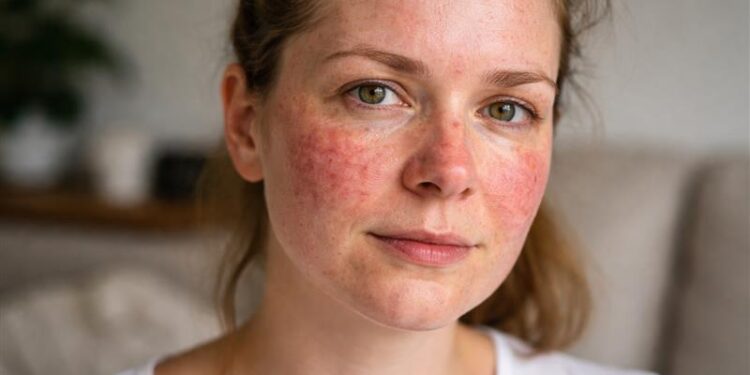
Rosacea is a chronic inflammatory skin condition that often affects the central face and causes redness that can flare and settle. There is no single cause, but many people notice factors that can trigger or worsen episodes.
It's sometimes confused with acne or perioral dermatitis because it can also cause pimples and a burning sensation. The clues are usually in the pattern, the redness, the visible blood vessels, and, in some people, eye irritation.
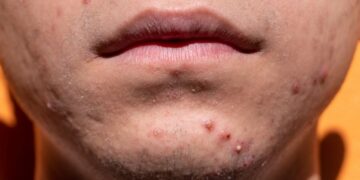
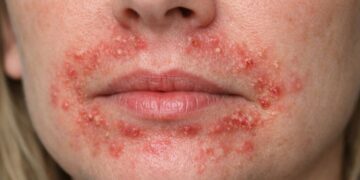
The table summarizes indicative signs to help distinguish between rosacea, acne, and perioral dermatitis. These signs are not a substitute for a diagnosis, but they help explain why a cream that works for acne might not be effective if the underlying problem is something else.
| Problem | Feature that usually stands out |
|---|---|
| Rosacea | Flushing and redness |
| Acne | Blackheads and pimples |
| Perioral dermatitis | Pimples around the mouth |
What is rosacea?
It's a long-term inflammatory condition that typically alternates between flare-ups and calmer periods. In many cases, it first appears as easy flushing, and over time, visible blood vessels or pimples may develop on the cheeks, nose, forehead, or chin.
What things can worsen rosacea
Triggers vary from person to person, but common ones include sunlight, heat, intense cold, alcohol, spicy foods, and stress. Keeping a simple record helps identify patterns without becoming an obsession.
How is the diagnosis confirmed?
The diagnosis is usually clinical, meaning it's based on what the professional sees and your history of flare-ups. Sometimes they check for dermatitis, acne, or other similar problems, and if there are eye symptoms, a specific evaluation may be necessary.
Treatments that are commonly used
Treatment usually combines skin care habits with prescribed medicines depending on the type of rosacea. In that context, azelaic acid sometimes comes up, alongside other topical or oral options chosen by a clinician.
When is it advisable to make an appointment
Consult your doctor if the redness persists for weeks, if there is intense burning, repeated outbreaks, or eye discomfort such as stinging or a gritty feeling. If you experience severe eye pain or changes in vision, it is best to seek medical attention without delay.
This information is for guidance only and does not replace medical advice. Rosacea may require different approaches depending on the individual case, so for specific diagnoses, guidelines, and treatments, consult the package leaflet where applicable and follow the instructions of your doctor or pharmacist.
Discover more from Vitals Today
Subscribe to get the latest posts sent to your email.