
We include products we think are useful. If you buy through the links on this page, we may receive a commission.
- Sunscreen allergy or sun allergy? - April 7, 2026
- What is psyllium husk? - April 6, 2026
- Tylenol in the United States: Is it paracetamol? - April 5, 2026
A so-called sunscreen allergy doesn't always mean the problem lies with the cream itself. Sometimes it's a reaction to an ingredient, and other times it's a rash triggered by sunlight. Distinguishing between the two helps you choose the best sun protection and know when to seek medical advice.
What could be happening if sunscreen irritates your skin?
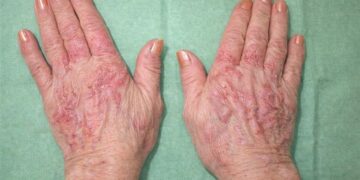
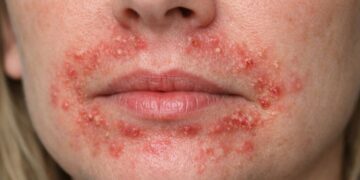
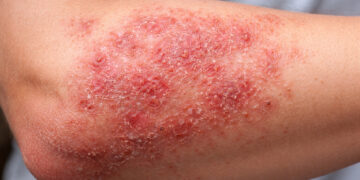
When itching, burning, or a rash appears after applying sunscreen, the cause may be contact dermatitis from one of its components or photodermatosis that worsens with sun exposure. From the outside, both situations can look quite similar.
Confusion is common in summer, especially for those with sensitive skin, a history of eczema, or after starting medications that increase photosensitivity. Therefore, simply changing brands without considering the overall situation isn't always enough.
Sunscreen allergy and sun allergy are not the same thing
Sun allergy is a broad term encompassing various skin reactions triggered by ultraviolet radiation. The most common is polymorphic light eruption, which typically causes itching and red lesions shortly after sun exposure.
In contrast, a reaction to sunscreen usually suggests irritation or contact dermatitis from filters, perfumes, or preservatives. Some chemical filters have been linked to allergic or photoallergic dermatitis, so the packaging matters too, not just the SPF.
Which sunscreen might be best suited for this reaction?
If your skin is very reactive, it usually makes sense to look for formulas for sensitive skin, fragrance-free and with mineral filters like zinc oxide or titanium dioxide. They don't guarantee perfect tolerance, but they tend to be a better fit for skin prone to irritation.
Furthermore, sun protection doesn't depend solely on the product. Thick clothing, shade, and a wide-brimmed hat remain key measures, and for recurring sun reactions, SPF 50 or higher is usually recommended.
Sun protection
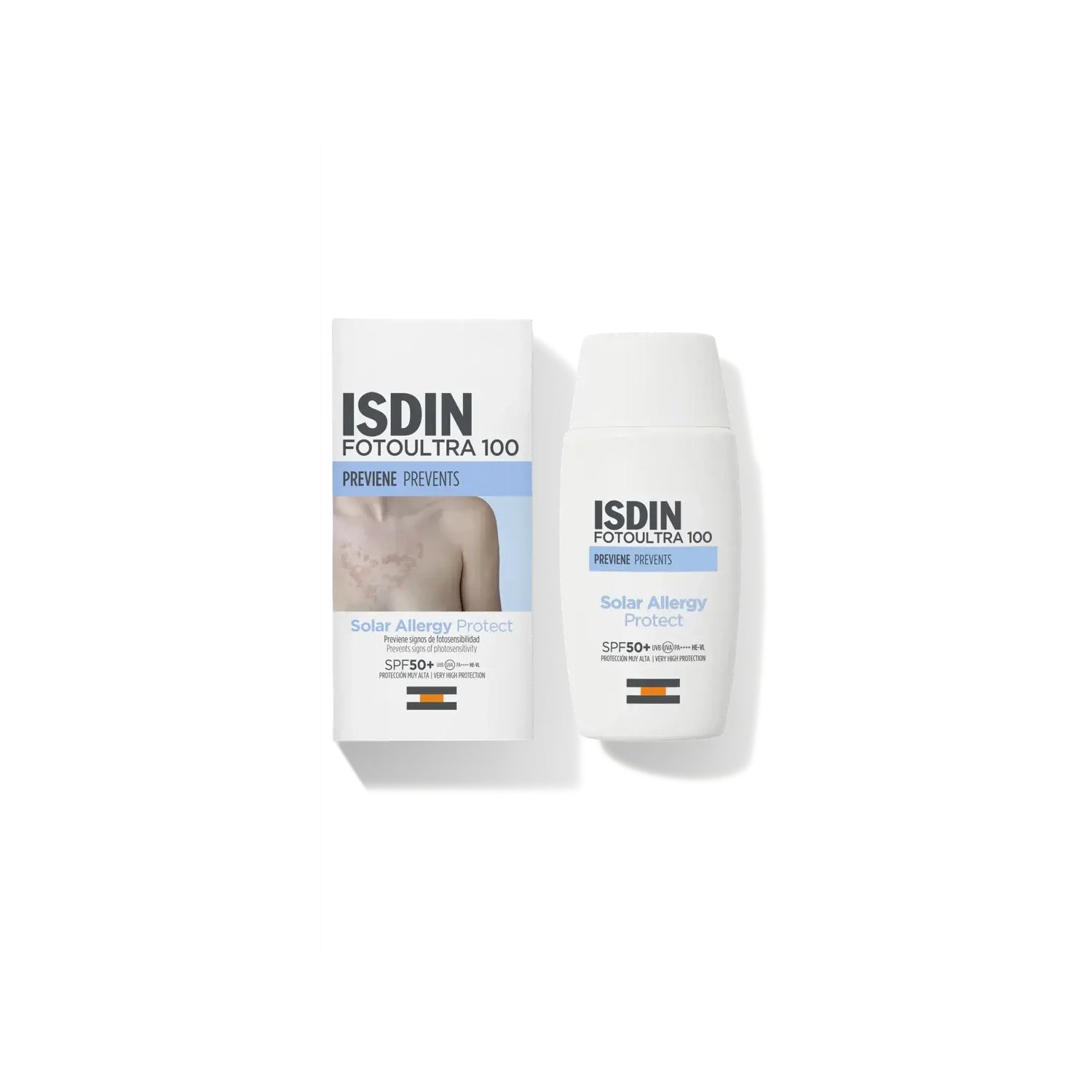
Why it might fit
- This may be of interest if you are looking for a facial sunscreen designed for sun-sensitive skin.
- The 50ml format is practical for travel or carrying in your bag.
- It may be a better fit than heavier formulas if you prefer a light texture.
What should be valued
- If you have already reacted to other sunscreens, it is advisable to check the INCI list before repeating the treatment.
When is it advisable to make an appointment
If the reaction occurs every time you're exposed to the sun, if you notice significant swelling, blisters, if it worsens rapidly, or if it coincides with starting a new medication, it's wise to consult a doctor. It's also advisable to do so if the rash doesn't improve after removing the product and reducing sun exposure.
If you already have atopic dermatitis or very sensitive skin, choosing simple formulas and checking the label can help avoid trial and error. To understand which reactions are considered sun allergy and which photoprotection measures are usually advised, it is worth reviewing the NHS page on polymorphic light eruption.
This text is for informational purposes only and does not replace medical advice. If the reaction is severe, recurring, or coincides with photosensitizing medication, consult your doctor or dermatologist and always check the product labeling.