
- What is rosacea and how to recognize it? - February 3, 2026
- Impetigo: what it is and when to seek medical advice - February 2, 2026
- Bactrim in Spain: what is its equivalent in pharmacies? - February 1, 2026
When the skin becomes inflamed and there are also signs consistent with infection, a combination is sometimes used that reduces inflammation and treats susceptible bacteria. Diprogenta It combines a corticosteroid and an antibiotic and is used only in selected cases, with a prescription and for a limited time.
The two ingredients: what is each one used for?
It works on two fronts. Betamethasone reduces inflammation and itching. Gentamicin is effective against many bacteria, especially Gram-negative bacteria and some staphylococci. Against bacteria such as streptococci, its effectiveness may be limited and depends on the specific organism and the clinical context.
Together they help reduce inflammatory symptoms and treat secondary infections when the germ is susceptible. They do not cover fungi or viruses (e.g., herpes), and in those situations, they can worsen the condition.
In what cases is Diprogenta prescribed?
It is indicated for inflammatory dermatoses that respond to corticosteroids when there is a secondary infection caused by susceptible bacteria. It can be used, for example, in eczema or dermatitis that have become superinfected. A thin layer is applied, usually twice a day, and the treatment should not exceed two weeks. If there is no improvement, a doctor should be consulted to review the diagnosis.
It is not the treatment of choice for primary skin infections (e.g., extensive impetigo) or acne. If there is no rapid improvement, the doctor will usually switch to another treatment after culture results or consider systemic alternatives.
Why shouldn't it be used on the face or for extended periods?
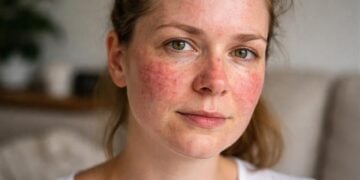
Because the potent corticosteroid increases the risk of skin atrophy, stretch marks, telangiectasias and, on the face, steroid rosacea and glaucoma if applied near the eyes.
Prolonged use of topical antibiotics can promote the development of resistant or non-susceptible microorganisms and complicate the condition. Therefore, it is recommended to limit the duration of use and follow the doctor's instructions.
“"It should not be applied to the eyes or deep wounds. It should also not be used on the face, in skin folds such as the groin or armpits, or under occlusive dressings. It is not indicated for children under 12 years of age, and during pregnancy it should only be used if the doctor determines that the benefit outweighs the risk."”
If the lesion spreads, becomes painful, oozes pus, or develops blisters consistent with a viral or fungal infection, discontinue use and consult a doctor. The 2-in-1 combination of Diprogenta is useful when both inflammation and superficial bacteria are present; used outside of this context, it carries more risks than benefits. Always consult your primary care physician so they can assess your individual case.