
We include products we think are useful. If you buy through the links on this page, we may receive a commission.

- Medicare card replacement in the United States - May 4, 2026
- What is Hidroferol called in the UK? - April 26, 2026
- Panadol in the UK: Is it paracetamol? - April 25, 2026
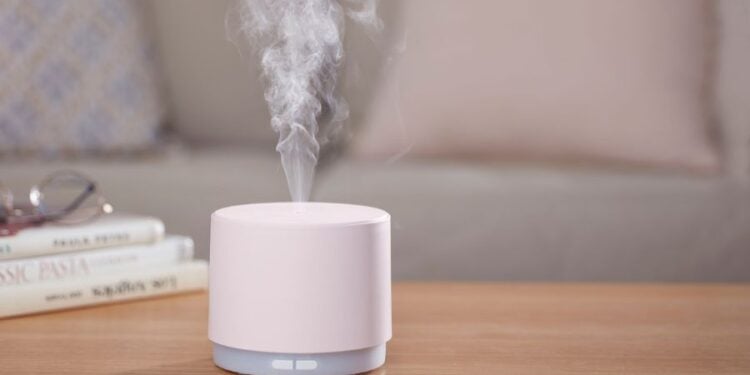
To choose a humidifier for home, first check whether the real problem is low humidity or particles in the air. If the air feels dry, a humidifier may help. If dust, smoke, pollen or odours are the issue, an air purifier is usually the better fit.
What should you look at first when choosing a humidifier?
The first filter isn't the brand. It's better to consider the room size, ease of recharging, and the actual control of the device. That's what makes the difference between a model being convenient for daily use and one that ends up being less effective.
It's also important to know what you expect from the appliance. A humidifier adds moisture to the indoor air. An air purifier, on the other hand, is designed to filter the air. Both can work in a home, but they don't solve exactly the same problem.
Which humidifier is right for you if you're looking for something simple?
If the goal is to alleviate the feeling of dryness in a typical bedroom, a model that's easy to refill, with a reasonable water tank and simple steam adjustment, is usually the best option. There's no need to immediately upgrade to a more complex device.
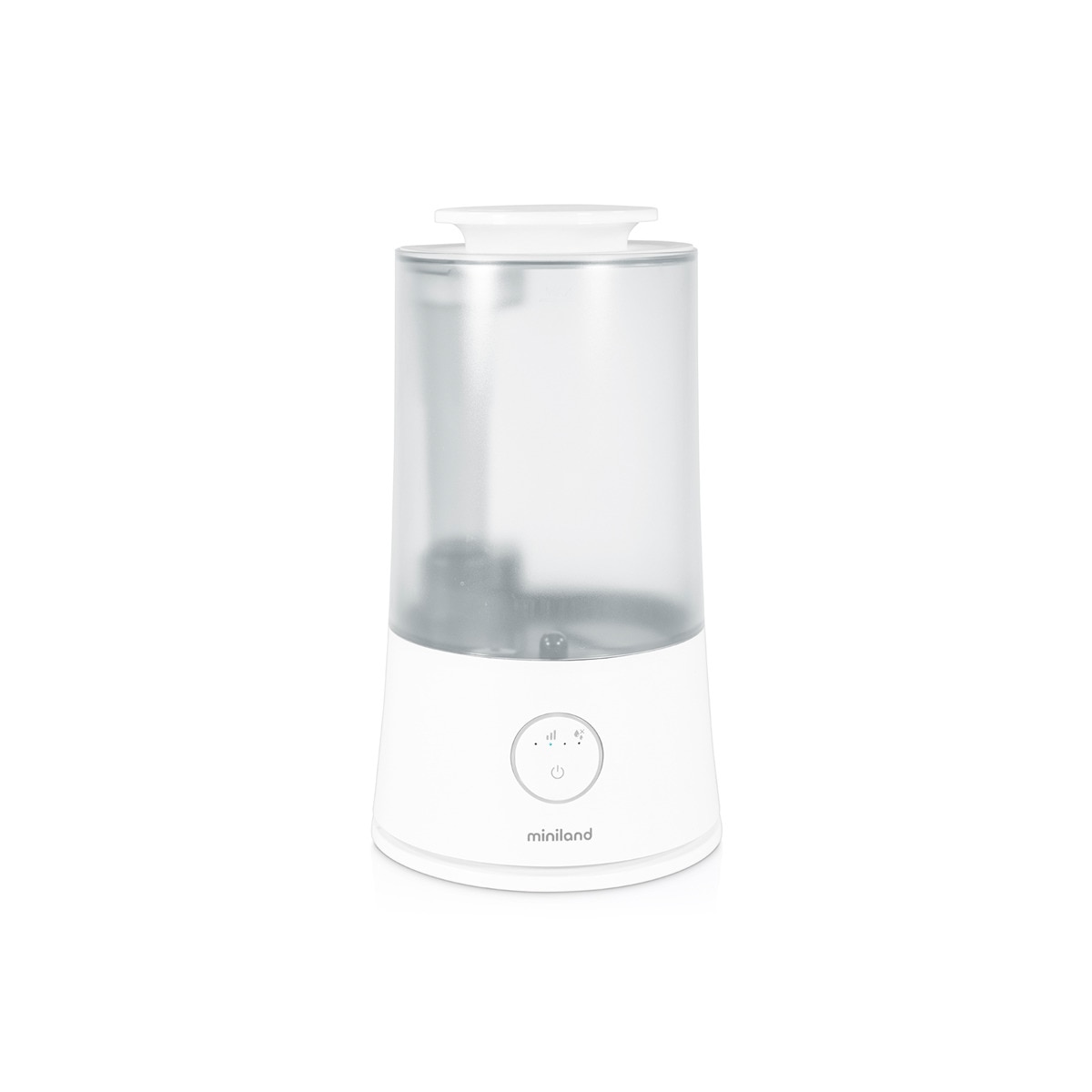
The 3-liter Humitop fits that profile well. Its strength lies not in having many features, but in combining a top lid, several steam levels, and sufficient battery life for comfortable daily use.
Why it might fit
- Up to 30 m² of indicative use
- Top lid for filling without moving it
- More than 24 hours and three steam levels
What should be valued
- Less automation than more expensive models
When is a humidifier with more control advisable?
When the room is larger or you want to monitor humidity more closely, the sensor, automatic regulation, and battery life become more important. At that point, paying a little more might make sense if you're actually going to use those features.
The Humitop Connect is a better fit for that scenario. It not only humidifies, but also allows you to monitor humidity and temperature, set targets, and use the device more precisely without having to experiment blindly every day.

Why it might fit
- Humidity and temperature monitoring
- Automatic regulation and timer
- More than 35 hours and up to 40 m²
What should be valued
- It's more expensive compared to a simpler model.
When is an air purifier a better fit than a humidifier?
Not every indoor air problem is solved by adding humidity. If the main issue is particles, fine dust, pollen, smoke, or a stuffy environment, the reasoning changes, and it's usually more worthwhile to consider an air purifier.
That also helps separate dry air from other causes. For example, when the main issue is allergies, adding moisture is not always the priority and identifying the trigger matters more.
In that scenario, it makes sense to focus on three factors that do significantly change the experience: the actual coverage of the room, whether it includes a sensor and automatic mode, and whether night mode is reasonable for a bedroom or a rest area.
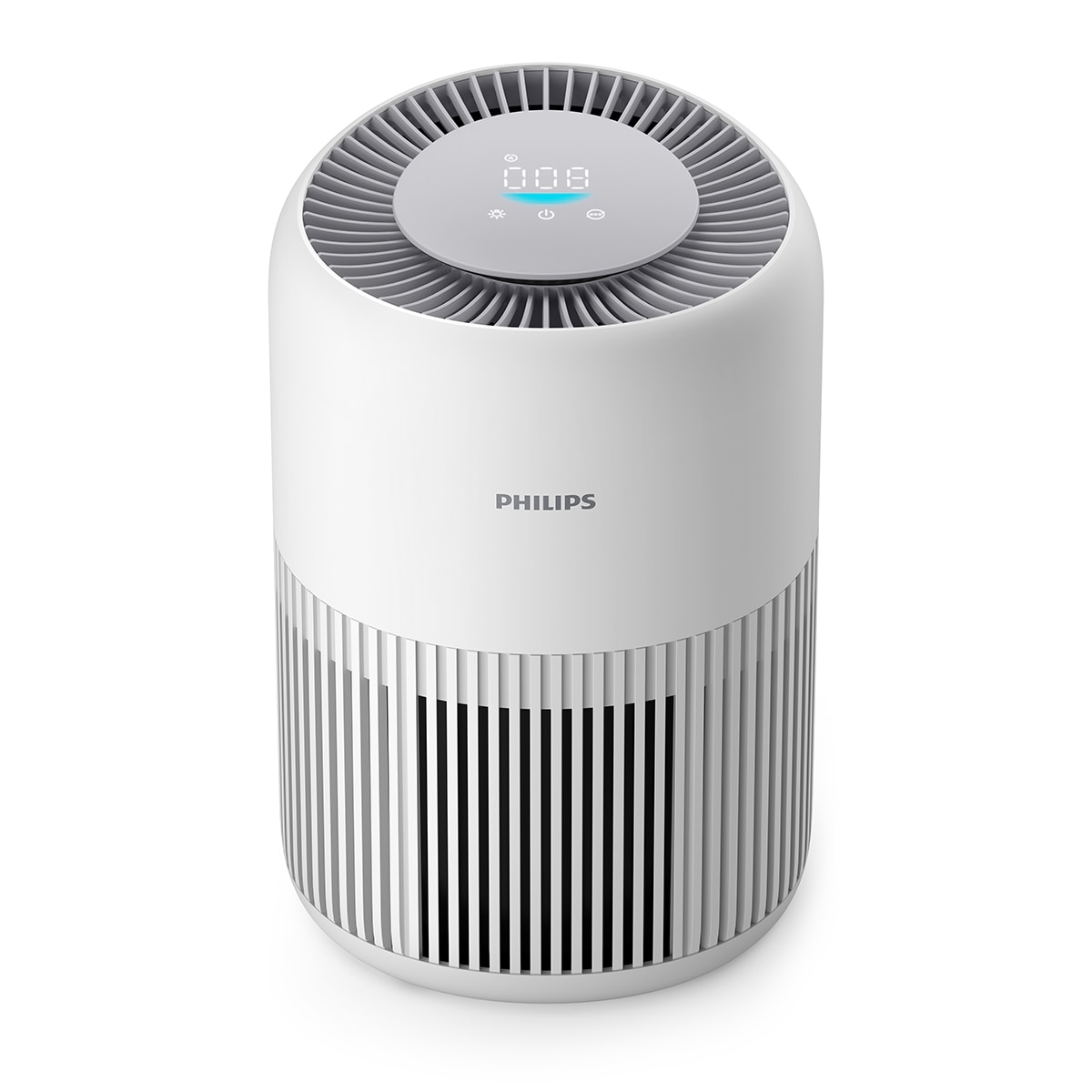
The Philips AC0920/10 fits well with those points. It combines a HEPA filter, PM2.5 sensor, automatic mode and sleep mode, plus wider coverage that's better suited when the problem isn't just dry air.
Air purifier
Why it might fit
- HEPA filter and PM2.5 sensor
- Automatic mode, sleep mode and turbo mode
- Up to 65 m² of indicative coverage
What should be valued
- It does not add moisture, so it does not replace a humidifier.
Before deciding, it's worth revisiting a simple question. If dry air is the problem, a humidifier is usually a better fit. If particulate matter and poor air quality are the issues, an air purifier makes more sense.
Among humidifiers, the practical difference usually lies in how much control you actually want. The 3-liter Humitop is a good option for a simple purchase. The Connect makes more sense if you're going to take advantage of the monitoring and automatic regulation features.
This text is for informational purposes only and does not replace medical advice. If you see mold, experience persistent symptoms, or have concerns about indoor air quality, consult official sources and a healthcare professional if necessary.
Discover more from Vitals Today
Subscribe to get the latest posts sent to your email.