

We include products we think are useful. If you buy through the links on this page, we may receive a commission.
- Fucidin cream: what is it used for in Spain - March 20, 2026
- How much does Monurol cost in Spanish pharmacies? - March 10, 2026
- When and how to request the provisional replacement certificate? - March 7, 2026
In the last few decades, hormonal and metabolic imbalance has gained prominence across healthcare. Conditions such as insulin resistance, hypothyroidism, and low vitamin D levels are not only common but also underdiagnosed. Such deficiencies influence overall physical, mental, and metabolic well-being.
The factors are numerous. Ultra-processed diets, sedentary lifestyles, environmental pollution, and disordered lifestyles disrupt the hormonal balance of the human body. But not all cases have an external origin. Some have a genetic or immunological basis.
Vitamin D: more than strong bones
Vitamin D is involved in more than 200 physiological processes. It not only strengthens bones, but also regulates the immune system, hormonal balance, and cardiovascular health. However, more than 50% of the world's population has insufficient levels. In urban areas, the percentage is even higher due to lack of sun exposure.
When calcium is deficient, the body doesn't metabolize calcium properly. This leads to muscle weakness, chronic fatigue, and bone loss. It has also been linked to depression, type 2 diabetes, and hypertension.
Thyroid imbalances: the body's slow engine
The thyroid regulates body temperature, weight, energy, and mood. If it produces too few hormones, metabolism slows. This is known as hypothyroidism. It is more common in women and people over 50.
Symptoms can go unnoticed: fatigue, dry skin, weight gain, hair loss. They are often mistaken for signs of aging. Without treatment, hypothyroidism worsens and can affect heart and cognitive function.
Weight control
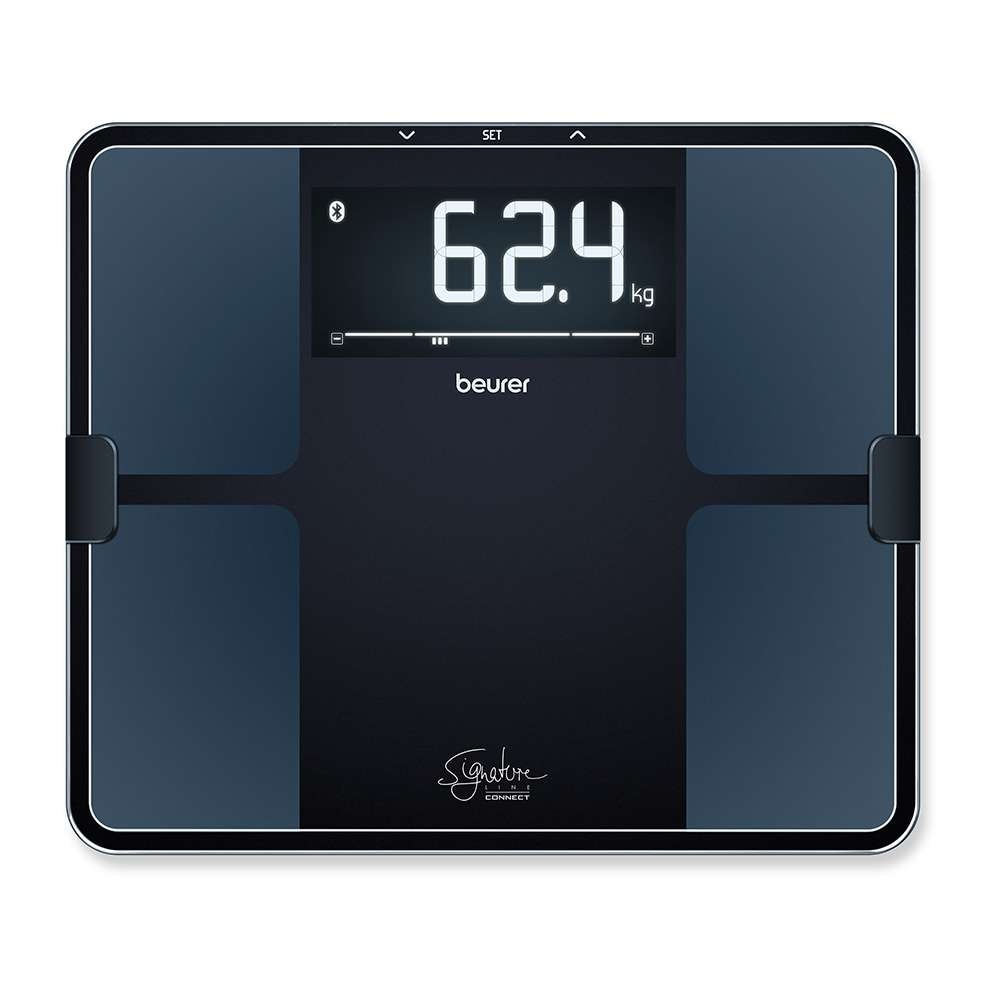
Beurer BF-915 diagnostic scale
89,95 €
Why it might fit
- Weight and body composition in one device.
- Helps to better interpret whether weight gain is due to body fat or muscle mass.
- Includes Bluetooth to check historical progress in the app.
What to keep in mind
- Costs more than a normal scale.
Insulin resistance: a warning from the body
When cells stop responding well to insulin, sugar remains in the blood. This phenomenon is called insulin resistance. It's the first step toward type 2 diabetes. It's also linked to polycystic ovary syndrome (PCOS) and non-alcoholic fatty liver disease.
This imbalance doesn't always cause obvious symptoms. But it can cause fatigue, constant hunger, and increased abdominal fat. Over time, it damages blood vessels and increases cardiovascular risk.
Obesity: both a result and a cause
Obesity is not just an excess of body fat, it is also an inflammatory and hormonal disease.
In most cases, it is related to a combination of diet, sedentary lifestyle, and genetic factors, and only in a small group is it due to specific hormonal diseases. Fatty tissue produces inflammatory substances that alter the action of hormones such as leptin, insulin, and ghrelin.
Excess weight, especially in the abdomen, is associated with metabolic disorders. It decreases insulin sensitivity, increases oxidative stress, and compromises the endocrine function of several organs.
What can we do?
Early detection is crucial. A simple blood test can reveal key deficiencies. Generally, parameters such as glucose and lipids are prioritized, and the doctor may add thyroid, vitamin D, or insulin tests when there are symptoms or suspicion of hormonal or metabolic disorders.
In addition, your diet should prioritize fresh foods rich in fiber, omega-3 fatty acids, and micronutrients. Regular physical activity improves insulin sensitivity and activates regulating hormones. Getting enough sleep and reducing stress also help maintain hormonal balance.
Conclusion: an interconnected system
Hormones and metabolism don't work in isolation. They form a complex network where each imbalance affects the others. Addressing deficiencies holistically can prevent chronic diseases, improve well-being, and restore vital energy.
This article is for informational purposes only and does not replace individual medical advice. If you have any questions about symptoms, tests, or treatments, always consult a healthcare professional.