We include products we think are useful. If you buy through the links on this page, we may receive a commission.
- Fucidin cream: what is it used for in Spain - March 20, 2026
- How much does Monurol cost in Spanish pharmacies? - March 10, 2026
- When and how to request the provisional replacement certificate? - March 7, 2026
When nausea appears with Ozempic, daily life becomes complicated: eating, working, and sleeping are difficult. The good news is that there are simple adjustments to dosage, diet, and injection timing that usually alleviate this common side effect of semaglutide. Let's start with the most useful and proven ones.
How does dose affect nausea?
At a lower dose and with a slow increase, there’s less nausea: start with 0.25 mg per week for 4 weeks and, if you tolerate it well, increase to 0.5 mg. After at least 4 weeks, your doctor may consider 1 mg or more depending on the indication.
This regimen reduces gastrointestinal side effects in the first few weeks. If nausea is severe or persistent, consult your doctor: sometimes it's a good idea to maintain the dose longer or temporarily reduce it.
Glucose monitoring
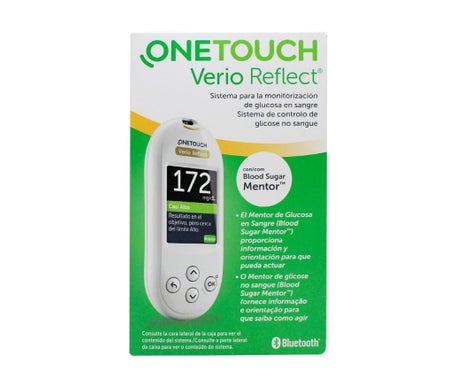
32,37 €
Why it might fit
- It can make it easier to review your readings.
- Visual reading helps to interpret each measurement.
- The app helps you review your records.
What should be valued
- It does not replace the advice of your doctor or pharmacist.
What foods and drinks should I avoid?
Avoid fats and fried foods, spicy foods, added sugars, and alcohol, especially at the beginning or when increasing the dose, as these worsen slow gastric emptying and contribute to discomfort. Instead, prioritize small portions, eat slowly, and opt for bland, low-fat foods (for example, crackers, rice, toast, or broths).
Maintain hydration through small sips throughout the day and avoid lying down immediately after eating. These dietary guidelines are supported by leading healthcare services and hospitals.
Does it matter what time of day I inject myself?
Yes, but for convenience, not effectiveness: Ozempic is administered once a week, always on the same day, at any time, with or without food. Choose a time that makes it easier for you to track your intake (for example, at night if that's more convenient, or in the morning if you prefer to see how you feel throughout the day).
If you need to change your injection day, wait at least 3 days after your last dose. After the change, continue with one weekly dose on the new day. Maintaining a consistent routine helps you identify what worsens your nausea.
Nausea from Ozempic is usually temporary and improves with gradual titration, small, frequent meals, and a consistent weekly schedule. If you experience persistent vomiting, dehydration, severe abdominal pain, or signs of hypoglycemia (if you are using sulfonylureas or insulin), consult a doctor immediately.