

We include products we think are useful. If you buy through the links on this page, we may receive a commission.

- Medicare card replacement in the United States - May 4, 2026
- What is Hidroferol called in the UK? - April 26, 2026
- Panadol in the UK: Is it paracetamol? - April 25, 2026
Isotonic nasal spray is generally better suited for daily hygiene and mild dryness. Hypertonic nasal spray is used more for congestion or thick mucus. They are not the same and do not replace a medicated decongestant when that is the indicated treatment.
When is isotonic nasal spray usually appropriate?
The isotonic option is more similar to saline solution in terms of salt concentration. Therefore, it is often used to cleanse the nasal passages, remove dust, pollen, or secretions, and provide moisture when the nasal mucosa is dry or irritated.
It's also often the most convenient option for regular use. People who live in air-conditioned or heated environments, travel frequently, or have a dry nose typically prioritize hygiene and moisturizing over an intense decongestant effect.
Daily hygiene
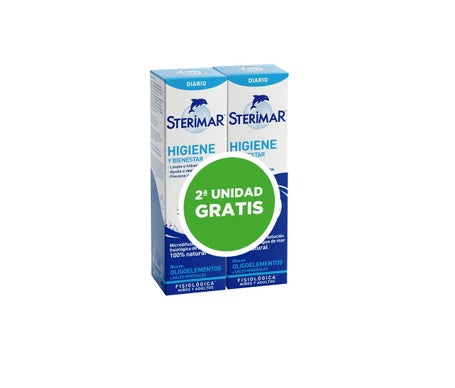
Why it might fit
- It's best suited when you're looking for frequent nasal cleansing and hydration.
- Convenient format for everyday use at home
- Gentle pressure aimed at nasal hygiene
What should be valued
- It does not replace a medicated spray when that is the indicated treatment.
When might hypertonic be most beneficial?
Hypertonic nasal spray has a higher saline concentration. This difference promotes an osmotic effect that can help when the nose is more blocked, there is thick mucus, or the main sensation is congestion.
However, it's not always equally pleasant. If the nasal mucosa is sensitive, dry, or irritated, some people experience more stinging or less comfort than with an isotonic solution. Therefore, it's best not to treat them as interchangeable.
Blocked nose
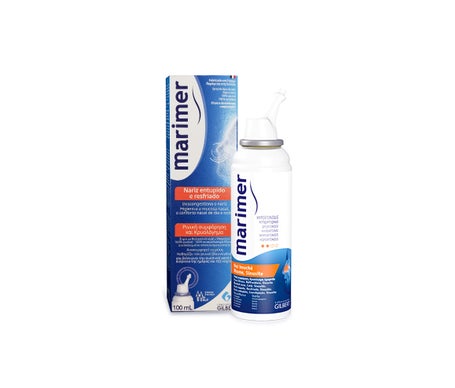
Why it might fit
- More aligned when the focus is nasal congestion
- Format designed for washing and decongestion
- It might be a better fit than an isotonic drink if you notice a very blocked nose.
What should be valued
- It may be less comfortable if the mucous membrane is very sensitive or dry.
What changes in a cold, allergies, or dryness?
In cases of a common cold or mild allergic rhinitis, a saline nasal rinse can be helpful in removing secretions, allergens, and irritants. This explains why many seawater sprays are marketed as nasal cleansing aids and respiratory comfort products.
When dryness is the main problem, an isotonic nasal spray is usually the most logical choice. When congestion is the primary issue, a hypertonic nasal spray may make more sense. If you're also using another prescribed nasal spray, it's generally advisable to check the order of use in the package insert or with your pharmacist.
What should you look for when buying one?
The first thing to consider is whether you're looking for daily hygiene or relief from congestion. Then, it's important to look at the format, because a gentle spray for frequent use is not the same as one designed for more intensive cleansing.
To illustrate this difference with concrete examples, a daily hygiene option is a better fit if your priority is cleansing and moisturizing. In contrast, a congestion-focused option usually makes more sense when your nose is clearly blocked and you're looking for more intensive action.
It's also advisable to avoid buying based on brand name alone without checking the concentration. Two seawater sprays may look similar, yet they can serve different needs depending on whether you're looking for daily cleaning or relief from blocked teeth.
If you also use a budesonide spray prescribed by a clinician, it should not be confused with a saline spray because their purpose and use are different.
Saline nasal washes are used to flush mucus, dust and other debris, and to add moisture.
This text is for informational purposes only and does not replace medical advice. Always consult the official package leaflet and follow the instructions of your doctor or pharmacist.
Discover more from Vitals Today
Subscribe to get the latest posts sent to your email.